Efficient and Eco-Friendly Microtunneling for Urban District Heating
Insights from Dr. Stefan Trümpi's Presentation at NASTT
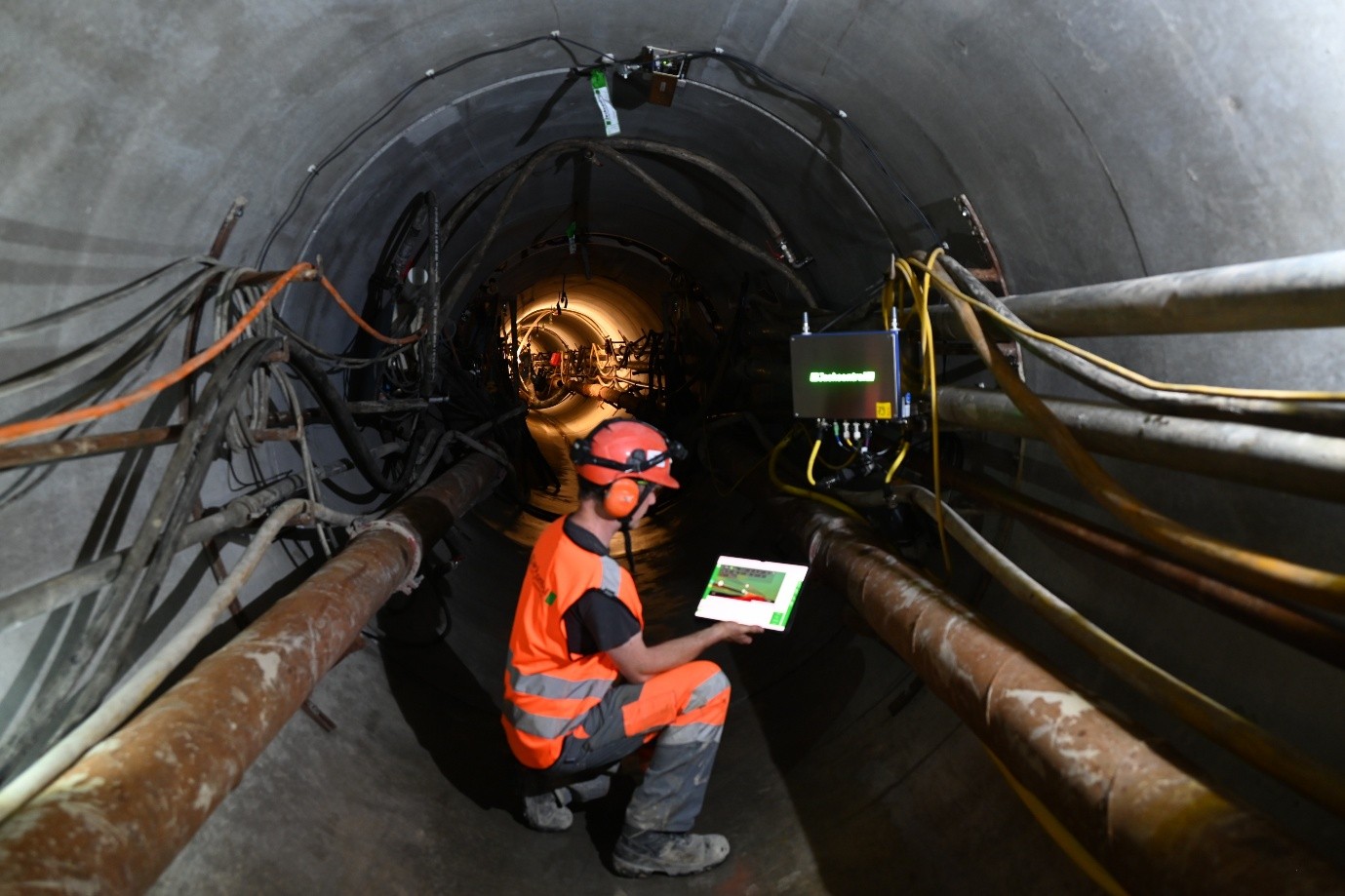
At the recent NASTT event, Dr. Stefan Trümpi presented an impressive case study demonstrating how modern microtunneling technology enables the efficient and environmentally responsible installation of district heating infrastructure in dense urban environments.
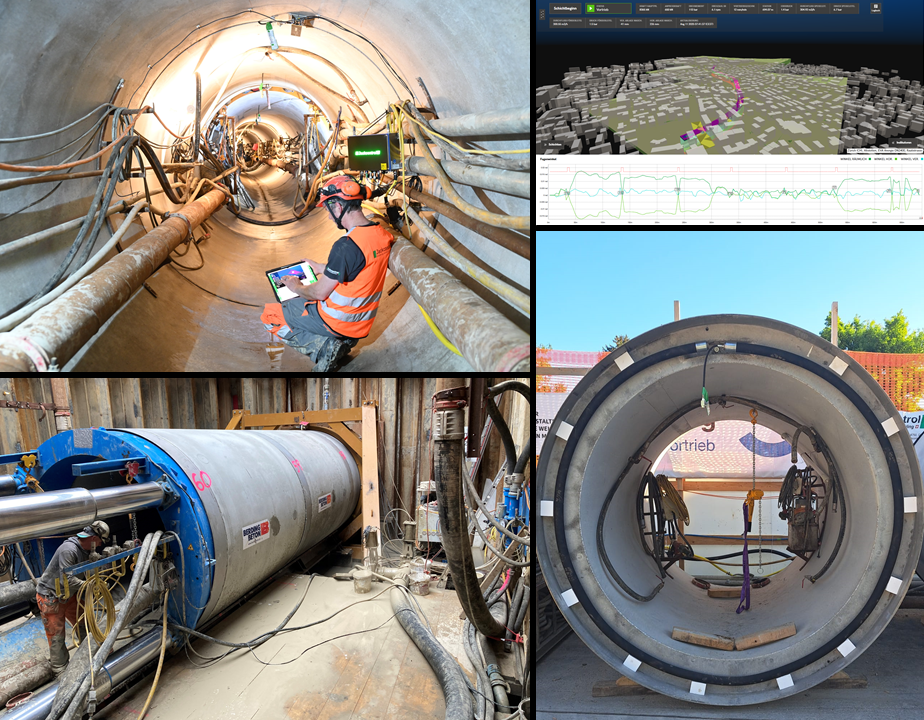
The project, carried out in Zurich, involved the construction of a 3,450-foot-long microtunnel with an inner diameter of 95 inches. Designed to support the city’s district heating network, the tunnel accommodates both feed and return pipelines—critical components for sustainable urban energy systems.
A key highlight of the project is the use of advanced pipe jacking and microtunneling techniques to significantly reduce surface disruption. By following a carefully planned alignment with both horizontal and vertical curves, the tunnel route largely remains within public land. This minimizes the need to cross private property and reduces interference with existing buildings and infrastructure—an essential advantage in busy city environments.
The extended drive length of the tunnel eliminates the need for multiple intermediate shafts, leading to faster construction times, lower costs, and reduced impact on traffic and daily urban life. This approach not only improves efficiency but also ensures optimal use of public funds.
Sustainability and future readiness were also central to the project. The tunnel is designed to remain accessible לאורך its service life, offering flexibility for future utility installations. Additionally, the use of modern digital tools—such as cloud-based data management systems (MSS) and Building Information Modeling (BIM)—provided real-time transparency, enhanced collaboration among stakeholders, and ensured strict compliance with quality standards.
Dr. Trümpi’s presentation clearly demonstrated how innovative trenchless technologies can transform urban infrastructure development—delivering high-performance results while minimizing environmental impact and disruption.